Flood Cleanup in Camas, WA
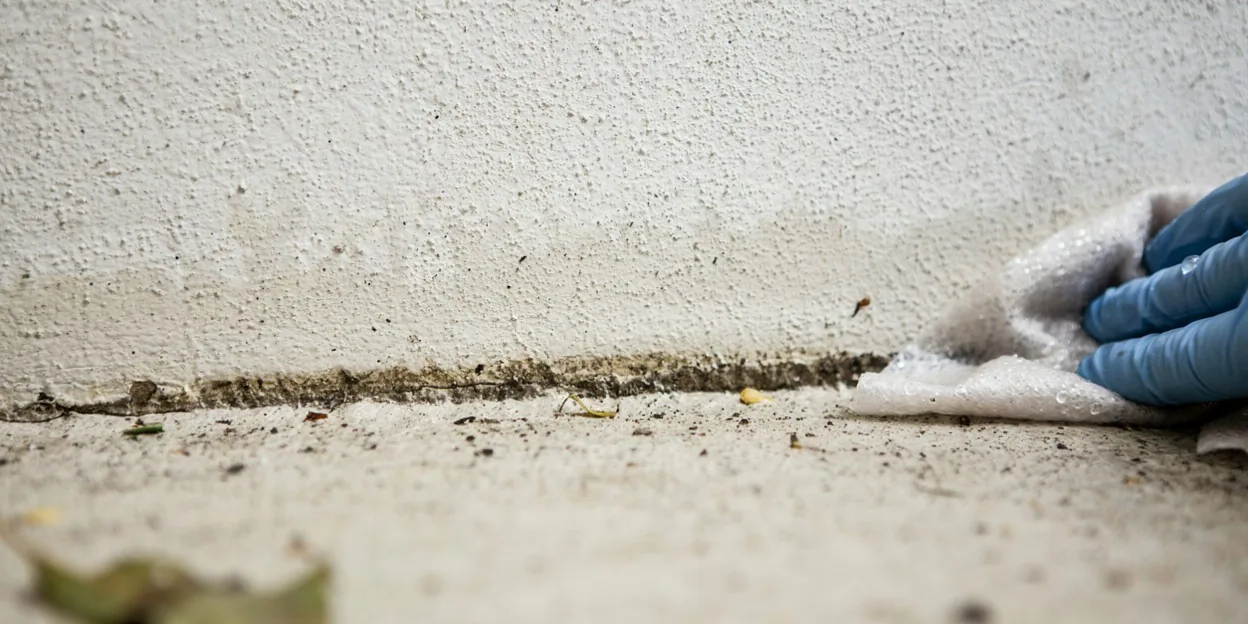
The creek behind the house came up overnight and went back down by noon, and it left two inches of silt across the garage, a brown line on the drywall in the family room, and a smell that is not just wet. This site connects you by phone with an independent local provider who does flood cleanup in Camas and across Clark County.
Contaminated water changes the order of the work
Creek, river, and runoff water is not the same as a clean supply-line leak, and the crew treats it differently from the first step. Outside water carries silt, farm and yard chemicals, septic overflow, and whatever was on the roads upstream. So the first job is not drying. It is getting the water and the mud out, removing the porous materials the water soaked, and cleaning the hard surfaces that stay.
The crew pumps and shovels the standing water and silt out, then cuts the drywall and pulls the insulation a set distance above the water line, because those materials cannot be cleaned. Carpet and pad come out. Hard floors, framing, and slabs get washed, disinfected, and then metered and dried. Only after the contaminated material is gone does the structural drying equipment go in.
Do not wade in, and do not run the furnace yet
Stay out of standing water in a room where the power is still on. If the panel is dry and reachable, shut the affected circuits off. Keep children and pets out of the flooded rooms and out of the yard silt. Do not run the furnace or the central air until someone has checked whether the ducts under the floor took water, because a duct full of creek water spreads the problem through the whole house.
Photograph the water line on the walls, the outside of the house, and the yard. Note the time the water rose and when it went down. Then call, and say plainly that it was outside water rather than a pipe, because that sets everything the crew brings.
What comes out after outside water, and what can be saved
Drywall, insulation, carpet, pad, and particleboard cabinets that took floodwater come out. Solid wood framing, concrete, tile, and plaster can usually be cleaned and dried in place. Solid wood furniture and hard goods can often be cleaned; upholstered furniture, mattresses, and cardboard usually cannot. Wood floors are a judgment call that depends on how long the water stood and how dirty it was, which the hardwood floor drying page explains.
A bungalow that took creek water has it in the crawl space as well, and the silt down there does not leave on its own. That is a crawl space water extraction job with a contaminated-water plan. Standing clean water from a pipe is a different page, water extraction.
Lacamas Creek, the Washougal River, and the Columbia's record
Camas sits where Lacamas Creek and the Washougal River both meet the Columbia, and every one of them has flooded houses here. Lacamas Creek drains 67 square miles above the lake, and as the wetlands in that basin were built over, runoff surges during a heavy rain got faster and the lowland flooding got worse. The Washougal River, which runs 33 miles down from the Gifford Pinchot forest, hit its recorded peak in the December 1977 flood. The Columbia itself crested at 31 feet at Vancouver in the 1948 Vanport flood, and in February 1996 a warm rain on snowpack put the river 11 feet above flood stage and damaged nearly 300 Clark County homes.
The more common Camas flood is smaller and comes off the hill. A saturated slope on Prune Hill or above the Washougal River bluffs sends a sheet of muddy water at the uphill side of a house, into the garage, and under the door. It is still outside water, it still carries what the yard carried, and the cleanup follows the same contaminated-water rules as a creek. Homes along the Columbia lowlands east of Washougal toward Steigerwald also sit behind levees that were rebuilt in the 2020s, and anyone there should tell the crew exactly where the water came from.
Calling about creek or runoff water in the house
Have the address ready and say whether the water came from a creek, the river, or the hillside, how high it got, whether it has gone down, and whether the power is off in the wet rooms. Call (360) 226-7395.