Crawl Space Water Extraction in Camas, WA
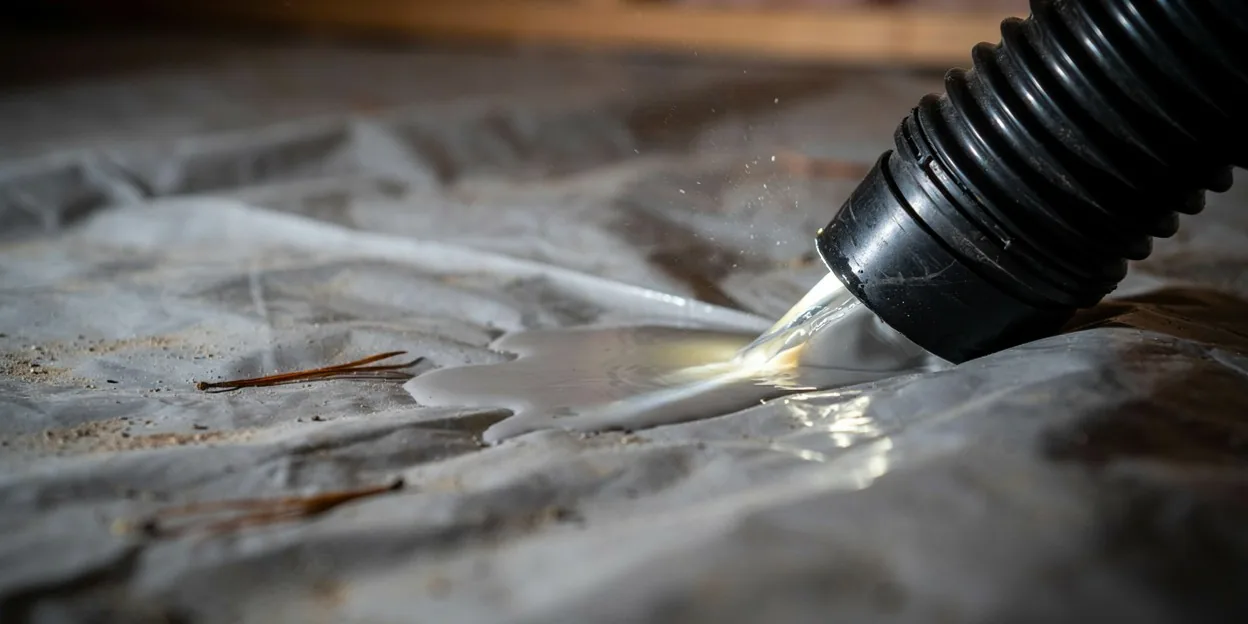
The house has smelled like a damp basement since December, and the floor in the back bedroom gives a little more than it used to. You finally pulled the hatch in the closet, shined a light down, and saw the beam reflect off standing water between the piers. This site connects you by phone with an independent local provider who does crawl space water extraction in Camas and across Clark County.
Under the floor with a pump, a light, and a meter
The crew goes under the house and finds out where the water came from first, because the source changes the job. A leaking supply line or a cracked drain under the floor is a plumbing repair that comes first. Water that rose through the dirt, or came in through a vent or a low spot at the foundation, is a drainage problem and it will return with the next storm. A water heater or a washer upstairs is water that came through the floor.
Once the source is known, the pump goes in, and the crew meters the joists, the girders, the posts, and the underside of the subfloor. Wet insulation between the joists comes out. Air movers and a dehumidifier go under the house, the vapor barrier gets replaced once the ground has dried enough to lay it, and the crew returns to read the wood until it hits its target.
Open the hatch and stay out if the joists look wrong
If the water is from a pipe, close the valve at the meter or the main where it enters the house. Do not crawl under the house if the water is near wiring, the furnace, or a gas line, or if a joist looks like it has dropped. Take the hatch off and leave it off so the space can breathe.
Take a photo from the hatch with a flashlight and note where the water is deepest. Walk the outside of the house and look for a downspout emptying at the foundation, a vent below grade, or a low spot against the wall. Then call and say what you saw.
Joists dry in place; insulation and the vapor barrier do not
Douglas fir joists and girders dry in place in almost every case if the crew reaches them before the wood softens. Fiberglass insulation under the floor comes out once it is wet, and so does any batt that has fallen onto the dirt. The plastic vapor barrier gets replaced. Posts standing on concrete piers usually survive; a post set on dirt or a rotted pier block gets flagged.
The floor above is the second question. If the water came through the floor from a leak upstairs, that room needs its own water extraction and drying. If the crawl space simply stayed wet long enough for the subfloor to wick from below, the finished floor may look fine while the fir underneath reads soaked, and structural drying handles both sides at once. A cupped hardwood floor over a wet crawl space is a hardwood floor drying call.
Why a Camas bungalow's crawl space fills every winter
Most of the housing between the mill and Prune Hill went up between the 1900s and the 1940s on short crawl spaces, sometimes only a foot and a half of clearance, with fir floors over them. The footing drains on those houses, where they exist at all, are clay tile that silted up generations ago. Camas gets well over 50 inches of rain most years, nearly all of it between November and March, and by January the water table in the low streets has risen to the dirt under the house.
The hillside homes from the 1990s on have a different version. A crawl space cut into the slope on Prune Hill or above Lacamas Lake is shallow on the uphill side and deep on the downhill side, and the runoff follows the grade in through the vents and pools at the low corner. Homes out in Fern Prairie and Hockinson on wells and septic add one more possibility: a drain field that stopped taking water after weeks of rain can back up under the floor, which is a different cleanup from a supply leak.
Ask the crew to photograph the space before pumping and to log every reading. A crawl space is the one part of the house an adjuster never sees in person, and the photos are what stand in for the visit.
Calling about water under the house
Have the address ready and say how deep the water is, whether it came from a pipe or from outside, how much clearance the crawl space has, and whether the floor above feels soft anywhere. Say if the house is on a well. Call (360) 226-7395.